
I'm sure you read the title - Google wants to be in your home.
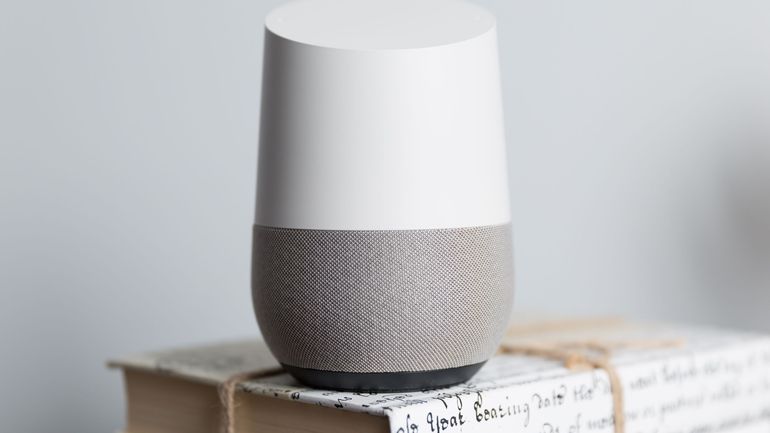
Literally.
They have a product called Google Home (and Google Home Mini for smaller homes?). They're not even attempting to be discrete about it. Why though? Isn't that a bit weird? What does Google gain by entering your home? Oh man, where do I even begin.
Let's start with what Google already knows about you. Let's call you Daksh for the purpose of this demonstration.
Google knows your name is Daksh Bhatia.
Google knows you are male.
Google knows where you (probably) live.
Google knows what websites you love visiting (LinkedIn and ProphetSharing come to mind).
Google knows what ads you love clicking on (Black Friday ads are looking appealing this year).
Google knows who you email the most (Jeff Weiner).
Google knows you text the most (housemates).
Google knows… a lot about you.
Most importantly, Google knows where you spend your time.
And thus, Google knows who to advertise to, and where to advertise that content. Google is powerful because it has an incomparable amount of information on Daksh. If a company wants to only advertise to its target market of college males who live in California - Google will help you find that group of people, and help you show your advertisement where that group sends most of their time.
So, if Angry Birds wants to advertise their new game - they'll pay Google to advertise the game to Daksh, and advertise it on LinkedIn because that's where he spends a lot of his e-time.
No one in the search engine market has been capable of collecting a comparable amount of data to match Google. And if Google can offer the best advertising results for my business, and is the most visited website in the world, why go anywhere else?
But there's a problem - There's this dark enigmatic time everyday when Google knows almost nothing about you.

And, they now have a competitor - Amazon (so I guess technically there are two problems). When you're not on your phone, tablet or laptop, Google doesn't know how you spend your time.
Think about it.
When you're eating dinner during Thanksgiving, or you're watching football during the Superbowl, you're not giving Google any search history data. But you might be giving Amazon Echo (Alexa) some of that data - and Google can't stand competition. You see, with Google Home in your home, Google can capture some data from that previously dark enigmatic period of time.
Google can tell that you're watching the Superbowl during that enigmatic time.
Google can tell that you're in the mood for some light soothing every Wednesday evening.
Google can tell what type of pizza you like ordering.
Google can tell your voice apart from your brother's.
Google can tell when you come home from work.
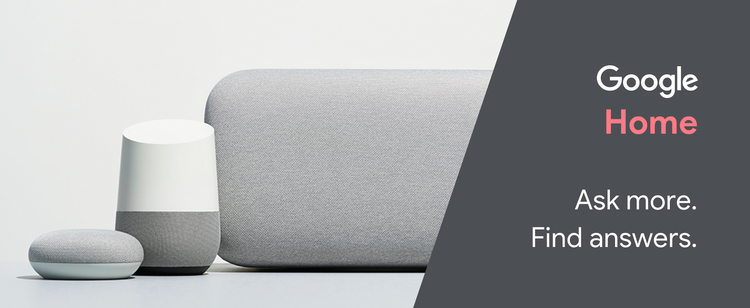
And much more. The applications are limitless.
Here's a curious example - you come home after a day of grueling work and ask Google Home to order you some comfort food and play your relax music playlist on Spotify.
Don't be surprised if you get some advertisements for relaxing scented candles or gift cards to your local spa, when you open up your laptop that night.
The bottomline is - Google knows a lot about you, but most of that data comes from you actively using the internet. Now, Google wants to access those periods of time when you're not online. And thus, maintain its stronghold on what makes Google so powerful - information about where you spend your time.
The best part - Google isn't forcefully entering your home. It's created a beautiful product that makes your life easier, so much so, that you want to pay them to enter your home - all the while helping them fill in that enigma in your life. What do you think about Google's move to enter your home?